
Gone Too Soon
“Before the film begins, I want to tell you a story,” I’d say, standing at the library podium, the lights dimmed, the audience hushed.
The screen behind me glowed with the still image of a young James Dean, half in shadow. I always spoke before the opening credits rolled—five, maybe ten minutes—just long enough to introduce the actor, to share something they’d never forget. Something that would cling to them long after the final scene.
“When James Dean was nine, his mother died of cancer. Her body had to be shipped by train from California back to Indiana for burial. James rode beside her coffin the entire way, across states and time zones, through empty stations and midnight tracks. He refused to leave her. He didn’t cry. He didn’t speak. He just sat with her.”
I watched the audience shift in their seats. Some lowered their heads. Some nodded, as if they already knew the pain of that kind of loyalty, the kind that clings to you like a second skin, even when you're too young to name it.
This was 2017. I was twenty-eight years old and working as a library specialist at my local branch. When my manager asked me to come up with a new event series that could bring in film lovers or older patrons. I said I’d think about it. What I created was more than a program. It was a eulogy I gave over and over again, just with different names.
I called it Gone Too Soon.
Each month, we screened a film starring an actor who died before the age of forty. Sometimes it was a car crash. Sometimes an overdose. Sometimes murder. But always, they were beautiful. Always, they had just begun to touch something extraordinary.
James Dean.
Sharon Tate.
Natalie Wood.
River Phoenix.
Jean Harlow.
The list was longer than I expected it to be. It never ran out.
I didn’t just pick the movies. I devoured them. I spent weeks preparing for each screening. I checked out every book the library had. I combed through forums filled with conspiracy theories and fan tributes. I watched grainy interviews at 2 a.m., scribbled notes in the margins of printouts, made slideshows and trivia cards. I borrowed box sets from other branches and transcribed entire chapters from biographies by hand when I couldn’t take the book home. I filled folders with photos, timelines, charts, and obituaries. I built small altars in paper and ink.
It was obsession, yes. But it felt like purpose.
Every film had a ritual. I’d test the projector, cue the DVD, and adjust the volume until the studio logo hit just right. Then I’d take the mic, clear my throat, and tell the audience something that made the actor feel human.
For Sharon Tate, we watched Valley of the Dolls. I told them how she was shy and soft-spoken, how she once said she didn’t want to be famous, just a mother. A few days before she died, she had baked cookies for a friend and chatted about baby names. She was eight and a half months pregnant when the Manson family stormed her home. In her final moments, she begged for her life—not for herself, but for her unborn child. She pleaded with them to wait. To let her have the baby first. They didn’t. They didn’t even let her finish the sentence.
For River Phoenix, we watched My Own Private Idaho. I described how he had grown up poor and gifted, how he was fiercely protective of his siblings, how he wept openly during interviews when asked about his family. He played guitar late at night in hotel rooms and refused to eat meat. He collapsed on the sidewalk outside The Viper Room, just twenty-three years old, while his brother Joaquin held him and begged for help on a payphone. There were no second takes. No second chances.
For Natalie Wood, we watched Splendor in the Grass. I told them how she had been afraid of dark water since childhood. Once, while filming The Green Promise, a platform collapsed under her during a scene, and she was swept underwater. The fear stayed with her all her life. In 1981, she was found floating off the coast of Catalina Island, dressed in a nightgown and a red down jacket. She’d been on a boat with her husband and a friend. The details of her death remain hazy, but I always came back to that fear. She’d predicted it, and no one stopped it.
For Jean Harlow, we watched Dinner at Eight. I shared how she’d been Hollywood’s original blonde bombshell, how her hair was bleached so often her scalp blistered. She died at twenty-six from kidney failure, her body failing while MGM kept reassuring the public she was fine. In her last days, she couldn’t walk or hold down food. Her co-stars, like Clark Gable, visited her hospital bed and cried. The studio sent press releases saying she was just tired. Even in death, they tried to preserve the illusion.
I didn’t want them remembered only for how they died. I wanted to show who they were before the tragedy. What they left behind. What they meant. What it felt like to witness their spark.
I never told the audience what I was really doing.
My father had died the year before the series began. Sixty-three years old. Cancer. It took only six months from diagnosis to death. One day, he seized and slipped into a coma. No last words. Just silence, then a funeral, then a crater in my life I didn’t know how to fill.
There were no documentaries about my dad. No retrospectives. No tribute shows or biographies. No curated legacy. Just a shoebox of photographs, a few saved voicemails, and a watch I keep in my nightstand drawer. When I played River Phoenix’s final scene, I was trying to understand why the world mourned him so publicly while I could barely talk about my father without my voice cracking. I didn’t have the language to grieve him yet. So, I grieved for the famous instead.
Obsession made it easier to breathe. It gave me a framework. It let me catalog death like a librarian shelves fiction—orderly, labeled, controlled. I could learn everything about Jean Harlow’s collapsed kidney, or James Dean’s wrecked Porsche, or the final phone call Sharon Tate made from her Hollywood Hills home. I could organize their stories. But I couldn’t tell my father’s. It was too close. Too unscripted. Too real.
The audience never knew. To them, I was just the girl who knew a lot about dead movie stars.
“Thank you,” they’d say after the screening. “I never knew that about her.”
“You make them feel alive,” one man told me once. I nodded, smiled. But inside, I was screaming. That’s the point. That’s all I’m trying to do.
Eventually, the program ended. I changed jobs. The projector was replaced. The bookmarks disappeared. But the obsession stayed. It still does, in quieter ways.
Sometimes, I put on My Own Private Idaho and watch River drift across the desert, eyes heavy with sleep and sadness. Sometimes, I Google black-and-white photos of James Dean and imagine him driving along a quiet highway just before the crash, cigarette in one hand, window down. Sometimes, I find myself whispering facts no one asked for.
Did you know Sharon Tate once said in an interview that she never felt beautiful and often avoided mirrors? Did you know Sharon Tate loved to eat boiled spinach with oil, lemon, vinegar, and crumbled pieces of well-done bacon whenever she was trying to maintain her weight?
Did you know Natalie Wood’s real name was Natalia Zakharenko, and that she started acting before she could read, reciting lines by memorizing sound alone? That her favorite perfume was Jungle Gardenia, and she almost never left without it?
Did you know River Phoenix would write long, handwritten letters to friends between shoots, filled with drawings? That his ashes are scattered on his family’s property underneath a tree in Gainesville?
And did you know my dad made bacon every Sunday morning, and it always burned a little at the edges?
That he drank black coffee but sipped apple juice from a juice box like it was a secret treat?
That he once gave away his pickup truck to a friend who needed it more, and never mentioned it again?
No one’s making a movie about him. But his story is the one I keep coming back to. The one I can’t quite narrate with a slideshow and a microphone. The one I still haven’t figured out how to end.
Maybe obsession is just another word for devotion. Maybe it’s how we try to keep the people we love from vanishing. Maybe it’s our way of saying I see you. I remember.
I told the world about the stars who left too soon. But the one I loved most never made it on screen. And maybe that’s why I keep writing. To make sure someone, somewhere, finally hears his story too.
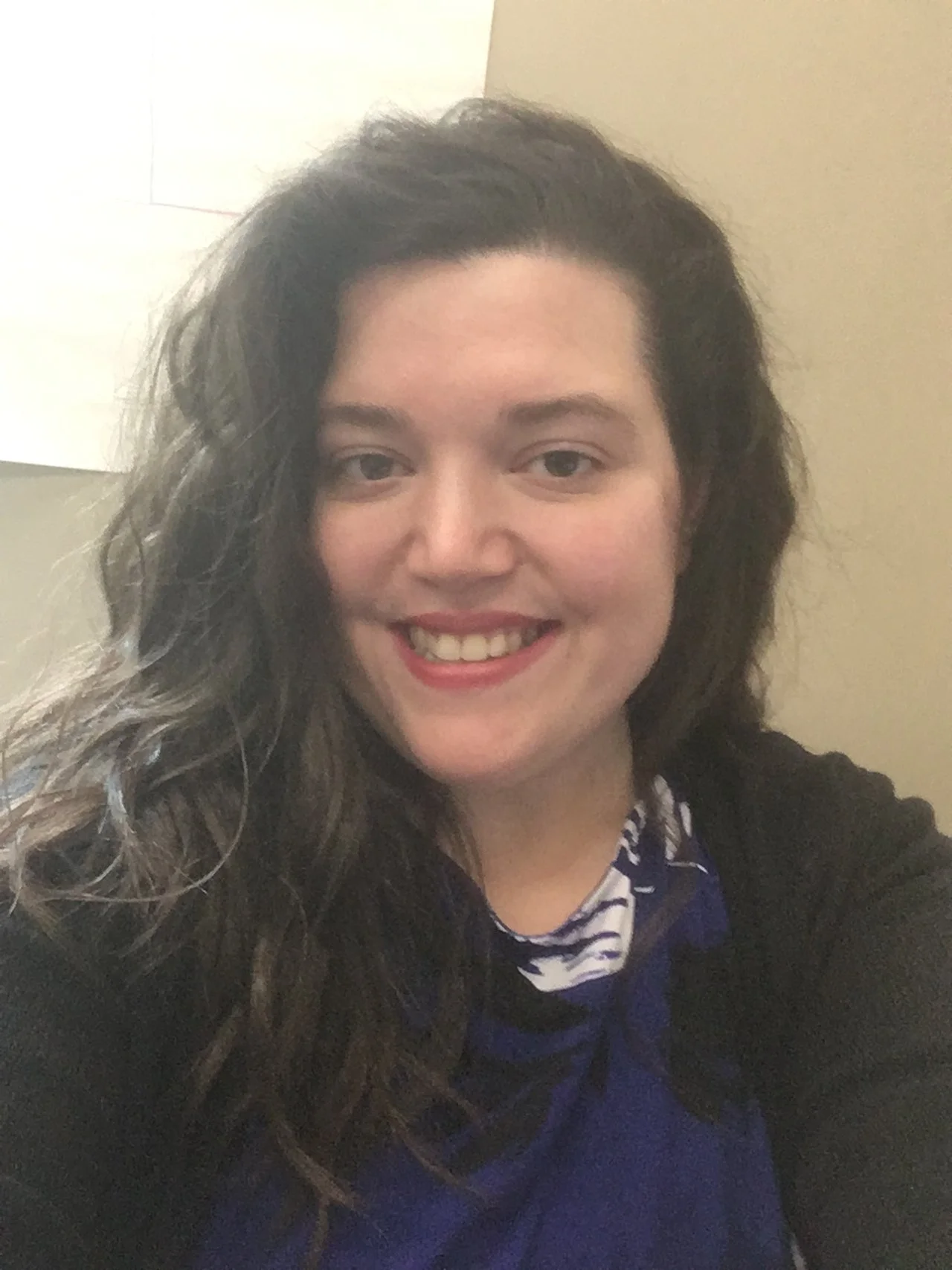
Bethany Bruno is a Floridian author and amateur historian. Born in Hollywood and raised in Port St. Lucie, she holds a BA in English from Flagler College and an MA from the University of North Florida. Her work has appeared in more than ninety literary journals and magazines, including The Sun, McSweeney’s Internet Tendency, River Teeth’s Beautiful Things, and The Huffington Post. A Best of the Net nominee, she has won Inscape Journal’s 2025 Flash Contest and Blue Earth Review’s 2025 Dog Daze Contest for Flash Fiction. Learn more at www.bethanybrunowriter.com.